

Last week, I had the joy of teaching a session at Columbia Law School. The topic was something we rarely talk about early enough in legal careers: knowing how business development works and the role of networks.
Many assume that rainmaking is a skill lawyers learn much later on, after they make partner.
I believe the foundation should start much earlier.
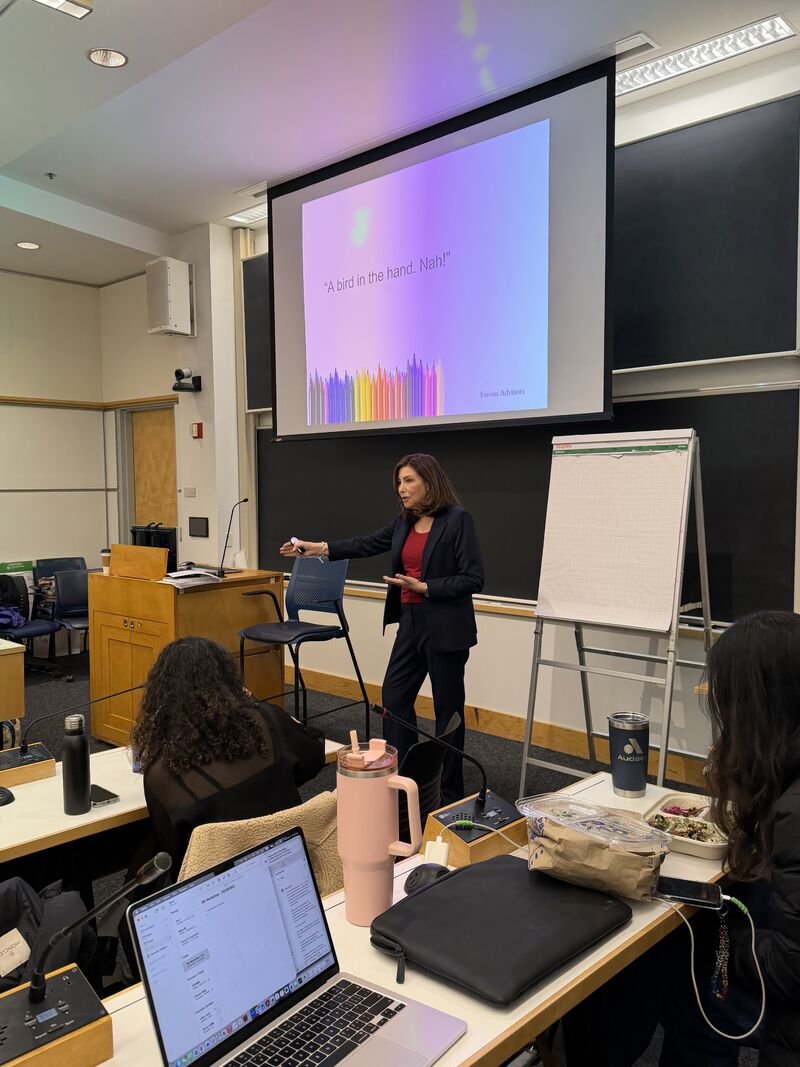
Here are a few of the ideas I discussed with the students, which may also be helpful for new lawyers.
— 1. Recognize the network you already have.
Your future professional network isn’t something you start building ten years from now. It already exists: classmates, alumni, former colleagues, professors, friends of friends. Staying in touch over time matters more than trying to “network” all at once.
— 2. Remember that you are managing your own career.
Firms provide opportunities, training, and mentorship. But each lawyer ultimately shapes their own path. Being thoughtful about the work you pursue and continuing to consistently learn and invest in yourself are essential.
— 3. Your peers are future clients and referral sources.
The people sitting next to you in class today may become general counsel, founders, investors, judges, or partners at other firms tomorrow.
Treating peers with curiosity and respect is not just the right thing to do. It’s also how professional networks naturally grow.
— 4. Reputations build quietly.
Reliability, preparation, generosity, and follow-through create impressions that last much longer than any single assignment.
— 5. Visibility compounds over time.
Whether through LinkedIn, writing, speaking, or simply participating in conversations about your field, building a professional profile happens gradually.
— 6. Systems help.
Many successful lawyers will develop habits for staying in touch, keeping notes on people they meet, and checking in periodically. (Students may not have CRMs just yet, but there are other ways of keeping track of contacts.)
For law firms thinking about long-term growth, there is a takeaway here, too.
Business development shouldn’t start when someone becomes a partner.
It’s a mindset that can be introduced early, long before lawyers are responsible for bringing in work.
The students at Columbia were thoughtful, inquisitive and already thinking about how they want to shape their careers. It was a treat to spend time with them.
Note: My slides were not fluorescent. They just look that way in the photo.
